


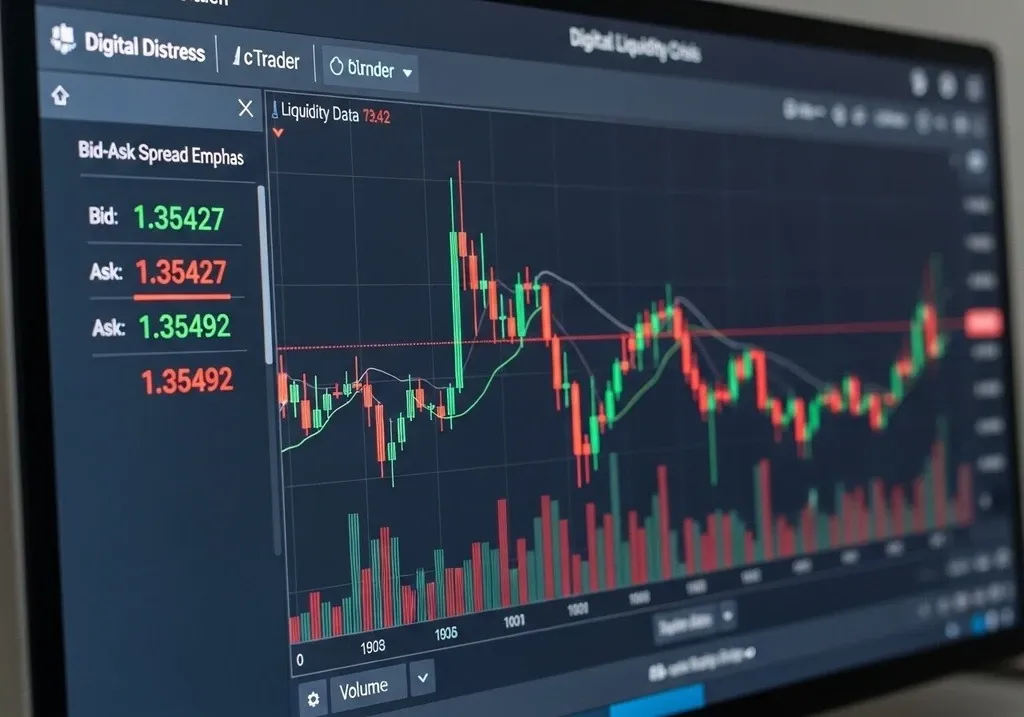
A normal trading routine may work well throughout an ordinary business week, but public holidays can create entirely different market conditions. When major financial centers close, trading participation may decline, liquidity can become uneven, and currency prices may behave unexpectedly. Reviewing an economic calendar can help traders identify important announcements and prepare for periods when holiday schedules affect financial market activity.
These changes are easy to overlook because the foreign exchange market operates across several countries. A holiday in one region does not necessarily close the entire market, but it can influence trading conditions for particular currency pairs. Understanding these differences helps traders avoid treating every weekday as an identical trading environment.
Understand Why Holidays Affect Liquidity
Financial institutions, commercial banks, and other market participants contribute to currency trading activity. When major financial centers observe public holidays, some participants become less active, potentially reducing the number of available buying and selling orders. Lower participation can influence spreads and transaction execution.
Beginners can use a forex trading demo account to observe price behavior during holiday periods without risking actual capital. Comparing these conditions with ordinary trading sessions may provide useful lessons about changing liquidity. However, simulated execution cannot fully reproduce the conditions experienced with live positions.
Recognize Different Regional Holiday Schedules
Public holidays do not occur simultaneously across international financial centers. A national holiday in the United States may influence dollar-related trading activity, while a holiday in Japan can affect participation during Asian trading hours. Other regions may continue operating normally.
Traders should therefore examine which financial centers are observing holidays rather than assuming that every currency pair will respond similarly. The consequences depend on market participation, current economic developments, and the instruments being traded. Regional schedules provide context but cannot predict individual price movements.
Examine Why Trading Spreads May Widen
The bid-ask spread represents the difference between available buying and selling prices. During periods of reduced liquidity, market participants may quote wider spreads because fewer counterparties are available to support transactions at nearby prices.
Wider spreads can increase trading expenses, particularly for strategies targeting relatively small movements. Traders should review current quotations before submitting orders instead of relying on costs observed during previous sessions. Advertised minimum spreads may not reflect the pricing available during less active market conditions.
Avoid Misinterpreting Unusual Price Movements
Holiday sessions sometimes produce narrower trading ranges because fewer participants are active. However, lower participation does not guarantee calm markets. Unexpected announcements or concentrated trading activity can cause sharp movements when available liquidity is limited.
A sudden breakout during these conditions may not have the same significance as a movement occurring during a heavily traded session. Traders should examine surrounding circumstances before interpreting technical signals. Historical chart patterns alone cannot establish whether a price change will continue.
Prepare For Markets Reopening Normally
Trading conditions may change again as financial institutions return from holidays. Market participants can reassess developments that occurred during the closure, potentially contributing to increased activity or sudden adjustments in currency prices.
Traders holding positions across these periods should understand that protective orders cannot guarantee execution at selected prices. Unexpected gaps and rapid movements may produce larger losses than anticipated. Reviewing open exposure before holidays can help identify whether existing risk remains acceptable.
Consider The Effects On Trading Plans
A strategy developed during highly active sessions may behave differently when trading participation declines. Lower liquidity, changing spreads, and unpredictable price reactions can undermine assumptions about normal execution conditions.
Traders should consider whether their planned transactions remain appropriate during unusual sessions. Reducing exposure, modifying observation schedules, or avoiding new positions may be reasonable responses. Maintaining discipline sometimes means accepting that current market conditions do not justify participation.
Maintain A Holiday Preparation Checklist
A simple preparation process can make holiday periods easier to manage. Traders can identify upcoming closures, review scheduled economic announcements, check existing positions, and examine the relevant instrument specifications before making decisions.
After trading activity returns to normal, recording changes in spreads, price movements, and execution conditions can support future learning. Several observations are more useful than drawing conclusions from one unusual session. The objective is to improve preparedness rather than create expectations of guaranteed outcomes.
Conclusion
Public holidays can influence currency trading through reduced participation, changing liquidity, and wider transaction spreads. Understanding regional schedules helps traders recognize why market conditions may differ from ordinary business days. Educational resources and market information available through tradewill.com may support preparation for these periods. Nevertheless, holiday trading remains uncertain, and leveraged financial products can produce substantial losses. Careful exposure management, independent research, and the willingness to avoid unsuitable market conditions are essential for maintaining a responsible trading approach.